10 min read

Uncovering the Research Space Blind Spot | Higher Ed Space Analytics

Uncovering the Research Space Blind Spot | Higher Ed Space Analytics


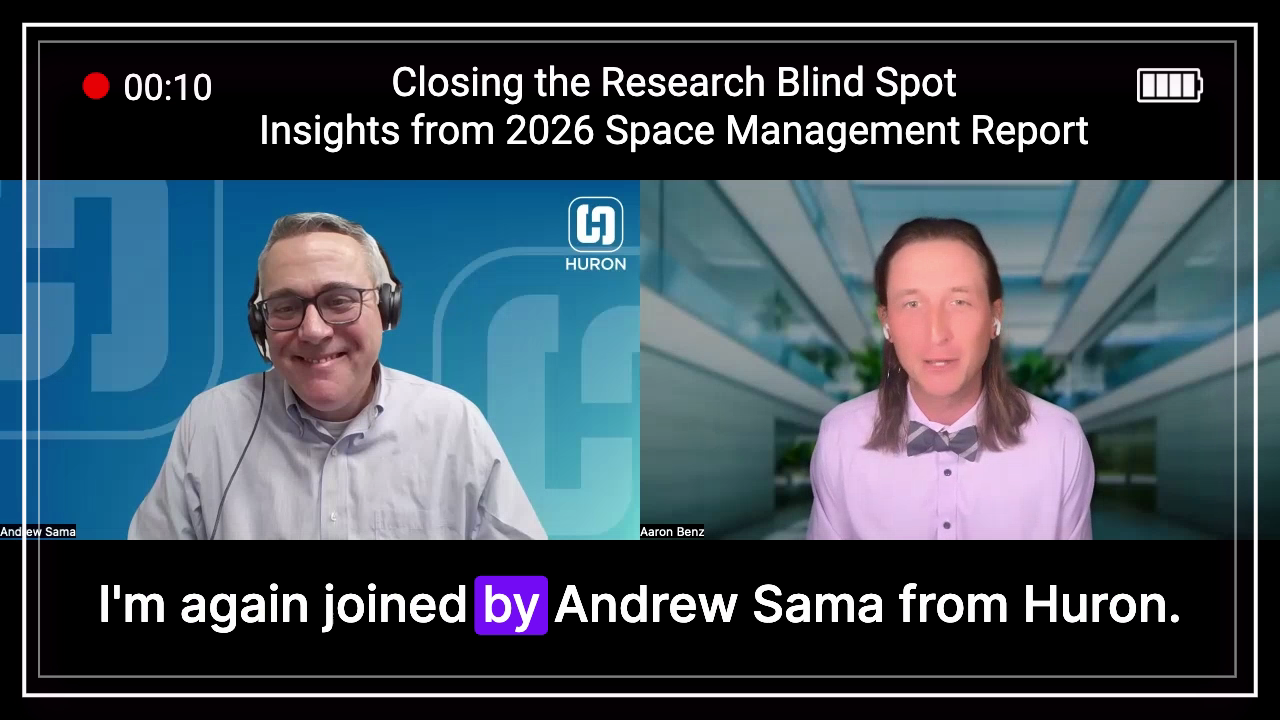
[00:00:00] Aaron Benz: Why is the most expensive space on campus often the least measured, and what can institutions do about it? Welcome back to another Bow Tie Tuesday. I'm again joined by Andrew Sama from Huron. As we dig into another finding from our State of Space Management Survey. We've talked a lot about portfolios, hybrid work.

Today we're turning to research space. A big topic on a lot of campuses. Leaders feel confident about classroom data, but far less confident about labs, even though research space is often one of the most expensive places on campus. So Andrew, this feels like another next frontier for space analytics.

And maybe just to lead there, there's a couple, uh, data points that I wanna bring out for us to discuss that we found from our survey. So point number one, 58% of, of the respondents feel confident managing instructional space while only 32% feel [00:01:00] confident managing research space. Just 10% regularly report, research dollar density.

All, all knowing that labs cost three to five x more per square foot than academic space. And so, Andrew, my, my, my question to you is, is why the lag, right? Why has research space been slower to receive some of this analytical rigor? 

[00:01:23] Andrew Sama: I think I would clarify one point on some of the metrics you just shared.

I mean, I think the way we frame the question was, are they confident in the data, right? Mm-hmm. Like, so I think, you know, folks are certainly managing these, these types of spaces, right? But I think, you know, the data that surrounds it and supports that decision making, I think is not always got the highest level of confidence.

You know, as it relates to research space. I think the classroom data is more, they have more confidence in this. My, my speculation would be, and I think some of what we've saw, uh, in the comments would be that it's, it's just, it's inherently sort of structured. You know, classrooms are scheduled, they're codified, they're standardized. [00:02:00] So that analysis is just sort of easier to do. Uh, and some of that is data structures, I think are, are really old and well established through the Office of the Registrar in most institutions. Right. So there's a 

[00:02:09] Aaron Benz: Forcing function. Right. Exactly. We gotta put students in class every semester.

Right, 

[00:02:12] Andrew Sama: Exactly. Research space isn't like that. You know, it doesn't have that same forcing function, right? So, uh, labs are gonna vary widely by discipline, by the type of equipment, by their safety needs, the workflows and the data that just is existing around them is, is not as consistent and easy to, to wrangle, right?

Um, the other thing is there's a lot of sensitivity around labs, right? Take whatever the, um emotion people might have around their office space, right. And sort of multiply that I think around labs in many cases, no doubt. Um, they're very specialized spaces, right? People have built those out often over many years.

Um, and so there's just a real inertia in sort of changing allocations at times. Right. But as you alluded to costs are high, right? It's three to five times more [00:03:00] expensive per square foot than, uh, most other spaces on campus, right? So it's really important that institutions start to get their hands around this, and that's, that's the opportunity I think that the survey results, uh, show us.

And what's interesting, you know, I think you mentioned this, uh, maybe at the top, but this survey respondents are primarily R1s, right? Places that will have a very large portion of this kind of space, right? And they still have, um, to some extent lower confidence in the data. So it's a real opportunity right, to, to do more here.

[00:03:27] Aaron Benz: Well, and you know, I also think over the past year, right, with the different administration changes the amount of extra pressure, right? The amount of cost of research dollars is all of a sudden this has put right this space on campus under a microscope. Um, and so when we think about how do we evaluate some of the space better and some of the metrics that we might use.

Is research dollar density, is it, is that still the right starting point for institutions or, I think it's, what other metrics should we consider along with that maybe? 

[00:03:58] Andrew Sama: Yeah, it's a really important [00:04:00] one, right? You know, but I won't say it's the only one, right? I think research dollar density is relatively simple, relatively scalable, right?

To compare research output to, you know, relative to space. Um, there's a little bit of complexity in working through how you calculate it and how you use it, but I think it's something that leaders can just generally get their head around. Which is good. Uh, I think there's, there's some trickiness in how you come up with developing the right ranges by which to gauge the performance on RD in a particular space, right?

So, as the simplest example, a 250 square foot, computer science sort of dry lab that generates a million dollars in grants, uh, is gonna have a lot different RDD than the 2,500 square foot, you know, uh, wet lab or, or you know, mechanical engineering lab, right? That, um, is generating the same amount of money.

Right. So you have to be mindful of those different modalities when you're looking at the numbers and doing anything with 'em. But I think it's so that for that reason we think RDD is best when paired with some other sort of lightweight, contextual indicators, right. You don't need a big [00:05:00] dashboard, you don't need a dozen different metrics.

Right. I think you need to have enough to make the conversation fair and grounded when you're thinking about, you know, how we're allocating space. Right. So a nice one that I think a lot of institutions lean on, it may even start 

with 

because, um, is square feet per research, FTE, right? And that's, that's just something that's gonna help you identify real clear outliers in terms of amount of space relative to a team size, right? Uh, and then I think you need some group of metrics, right? And it says, need to be 20 things that help you understand sort of scholarly impact, right? This could be publications, citations, markers of academic contribution or strategic importance to the institution, right?

Um, I think if you have those things, you've got a good set of, of information to start thinking about. Where are my outliers? And you always, I think, wanna start by looking at the, at the hails, right? Mm-hmm. Where do I have space that looks really, really productive? Or where do I have a space that looks really unproductive?

And don't worry about the middle in the, in the beginning. You know, so I think [00:06:00] those are some of the metrics. And then I'll, I'll pause there. There's more to talk about, but I think that's a good, that's a good place. 

[00:06:05] Aaron Benz: Yeah. It makes me, what I was just thinking in my head right, is RDD is, is almost a, um, kinda like a lagging indicator.

In the sense of it's, Hey, what's been done and where am I now? But not necessarily a leading indicator of what's gonna happen in the future. Is there, is there any way you think about like, are we on the right track, either between departments or just how we evaluate our space? 

[00:06:28] Andrew Sama: Yeah, you know, that's a really interesting point.

I mean, there's, you can certainly, for more mature institutions that can pull all this data together, I think you can start to look ahead to grant proposals. Right, right. Um, you know, and sort of try to be a little more future looking in the current environment, that could be very tricky. Uh, you know, I, I don't know that I would, I would expend a whole lot of energy at the moment pursuing that.

I think, if there's another area to think about around this topic, right? It's the policy framework that you sit all this inside of, right? Mm-hmm. You know, we [00:07:00] think it's really important that you have some alignment between, you know, a provost, a VP for Research or Vice Chancellor for Research, and, you know, you Deans, right? That they understand here's how we're gonna use these numbers, right? We understand what they mean. We understand there are rational exceptions, right? Early career, faculty startup periods, you know, unique research modalities. And that we're not trying to institute some sort of regime where, you know, you miss the target, you lose your space, right?

That's, that should never be the intent of this, right? It's more of a structured way to have conversations and to surface. Outliers, right? In both directions. You may have outliers who are underperforming and that we think, oh, maybe they don't need as much space, but you may have outliers who show in, in, you know, um, an analysis framework like this as people who, hey, how do we help this group grow?

How do we help this research group? Right? They're onto something, they're doing more funded. 

[00:07:51] Aaron Benz: We need to do more of this. So speaking of that, right, so like if, if kind of first steps type of mentality, right? If, like, what's the realistic first move for [00:08:00] institutions wanting better visibility given everything that's happening, including faculty sensitivities you name it. 

[00:08:09] Andrew Sama: Yeah. Uh, we see this kind of happen in two ways, and I think either one is fine given your institution and your realities.

You know, you could go either way. I think one is sort of the bottom up approach, right? So there's a particular college that, uh, is maybe feeling the crunch of space allocation more so than another, and they just start to kind of create a framework, like what we've discussed, right? A suite of metrics, a policy, a group of leaders who are thinking about this together, and they just start to do it within the scope of their control.

The other way to do it, uh, is more of a top down approach where you bring together, like I said, that Provost, VPR, CFO grouping and, and develop a framework like this, uh, I think first within that group, and then bring it around and shop it. If you were, you know, as it were to the deans and kind of bring them along, build that coalition.

We've heard a couple times about building a coalition. It can happen that way too. I think it's about where [00:09:00] are the pressure points in your institution? Where do you have leaders that are willing to push on this? You know, every institution's gonna take a, a different approach. But those are sort of the two ways that we see it.

And then, you know, I'll just reiterate things I've said each week, right? Use pilots, start small, right? Create some proof of concept and especially with this particular topic, bring your faculty you know, along in the process. Uh, I think a, a unique thing, which I alluded to earlier around this particular topic is just underscore that you're not analyzing low performers, your stripping space, right? This emphasize that there's gonna be rational protections, right? Early career faculty supporting interdisciplinary work, right? You know, you need to make sure people understand the intent behind a framework like this. It's just, you don't, you don't want unproductive space to linger, right?

Everybody understands there's up, up and downs in a, in a research, you know, life cycle, right? And I think people will be irrational about that, but. When we get 3, 4, 5, 6 years on and a lab is not productive, right? That's real cost to the institution. So how do we [00:10:00] avoid those situations? I think is the framework here?

[00:10:03] Aaron Benz: Yeah, I, I agree. I mean, fundamentally, right? No one wants to be micromanaged with their space and every action that they take, and instead it's, it's how do we, you know, create better visibility at actually enabling better governance, right, of our space and clear rules so that if you're under trying to understand what do I need to do to be successful here, right?

Or to get more space, or to get more lab, or to get more FTEs, or whatever it is, it's like the rules are just more defined, right? Or more clear on, on how, how can I succeed? 

[00:10:32] Andrew Sama: And, you know, I think. There's another concept here that I would just toss out for folks to think about it. You, you talked about, you know, how do we make this more future looking?

And I don't know that there's an analysis piece that I would point to, but there is a design piece I think is really interesting for schools to start thinking about, right? And that is, you know, how are you building and classifying your labs, right? If every lab is a custom built, highly specialized space.

Even if you get this framework right, where you're identifying high and low, productive, [00:11:00] you know, labs and you, you have an ability to, to maybe make some reallocation, the process of making the reallocation is gonna take a really long time. Right? Sure. And so, you can speed that up and get quicker, right?

Maybe I can't see further down the road. Right? But I can get quicker and making the changes if I get thoughtful about the design standards in labs. So instead of having everything be custom, is there half a dozen, is there a dozen lab types that we can come up with? Right. Typologies of labs that become a little more interchangeable.

Um, and that helped me with planning. Uh, you know, these sorts of puzzle piece moves across a, a larger portfolio. Um, you know, we've worked with some clients and we, we've seen some things developed around more modular flexible lab typologies, right? That I think is really important. And I would argue some of the, uh, there's the potential to some of the construction materials and the approaches may start to support this a little more in the future too.

So, uh, those are kind of the future looking horizon level things I would be thinking about. 

[00:11:56] Aaron Benz: That's interesting. It's not as much about creating, let's [00:12:00] say, black box labs as much as how can I, how can I maximize my optionality for the future? Yeah. So that as research changes, as demands change, whatever, that I don't have to totally reduce spaces that they could be flexible.

Yep. Awesome. Andrew, thank you so much. It's been a fantastic first inaugural State of Space Management Survey. Super, super pleased to be doing this with you all and release some of these results. I know you've enjoyed it. I think as much as, as much as I have. 

[00:12:29] Andrew Sama: Oh, this is so exciting. I think the industry needs, uh, you know, to be talking like this to one another and to be hearing what's successful and to be hearing where, how people are thinking about, you know, some of these problems.

Uh, I really look forward to sharing these results widely with everybody, uh, you know, across higher ed and to doing this moving forward. Right? So, please reach out to us. Please talk to us. Uh, we wanna know that you're using these results. I think these kind of survey results can help with conversations on campus.

Totally. And you know, we want to do that for you. So tell us what you're learning from the results. Tell us the questions that you have. [00:13:00] Tell us what you wanna see in the 2026 version. Uh, 'cause we're, we're really excited to be doing this for the community. 

[00:13:06] Aaron Benz: Awesome. Thank you all so much. It's been another Bow Tie Tuesday, Andrew.

Until next time. 

[00:13:11] Andrew Sama: All right, take care, Aaron. 

​ 

Do Your Spaces Drive the Mission? Space Planning with Chris Morett

7 min read

Do Your Spaces Drive the Mission? Space Planning with Chris Morett

🎀 Bow Tie Tuesday is here. When campus space truly drives the mission, everything works better. In this week’s conversation, Chris Morett,...

Read More
Space Utilization Is Now Mission-Critical: Tradeline Insights with Derek Westfall (Campus & Facilities Strategy)

2 min read

Space Utilization Is Now Mission-Critical: Tradeline Insights with Derek Westfall (Campus & Facilities Strategy)

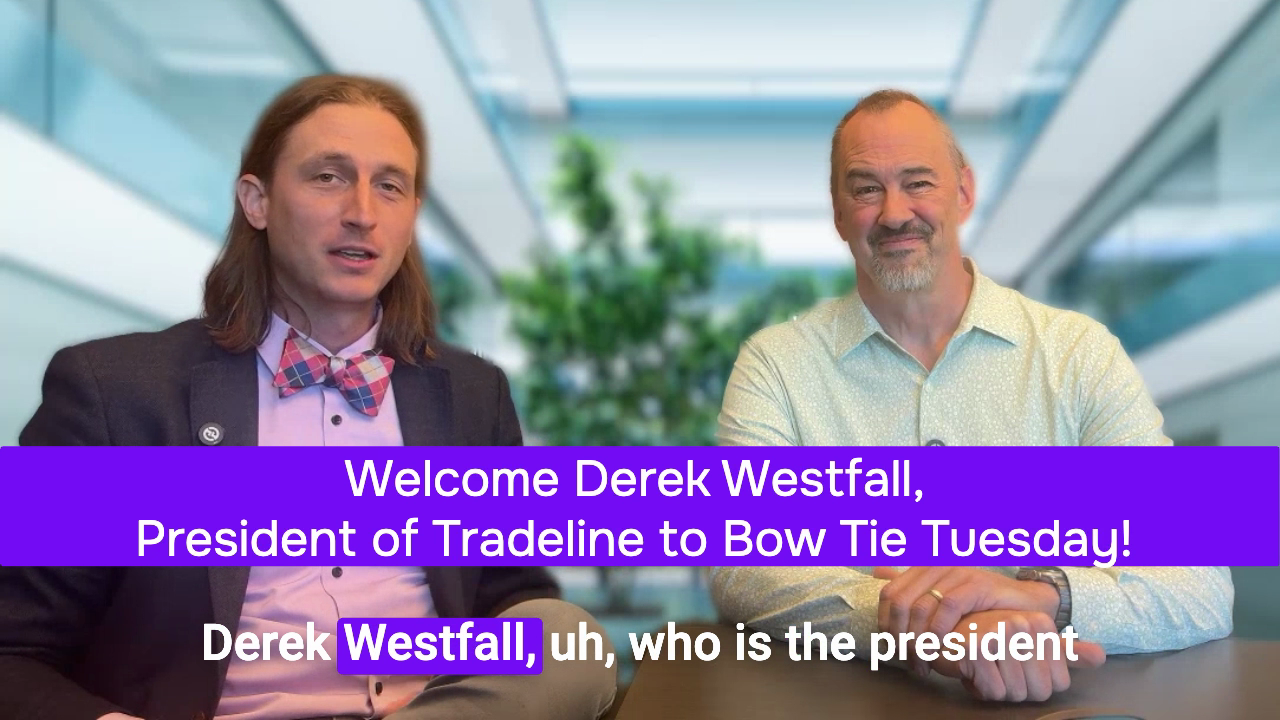
When budgets are tight, smart campuses don’t stop—they optimize. In this Bow Tie Tuesday conversation, Aaron sits down with Derek Westfall

Read More
Higher Ed Space Survey: Policy, Utilization & Benchmarks | CampusIQ

8 min read

Higher Ed Space Survey: Policy, Utilization & Benchmarks | CampusIQ

Video Description Campus policies and space use have changed dramatically since COVID, and leaders need more than anecdotes to decide what...

Read More